
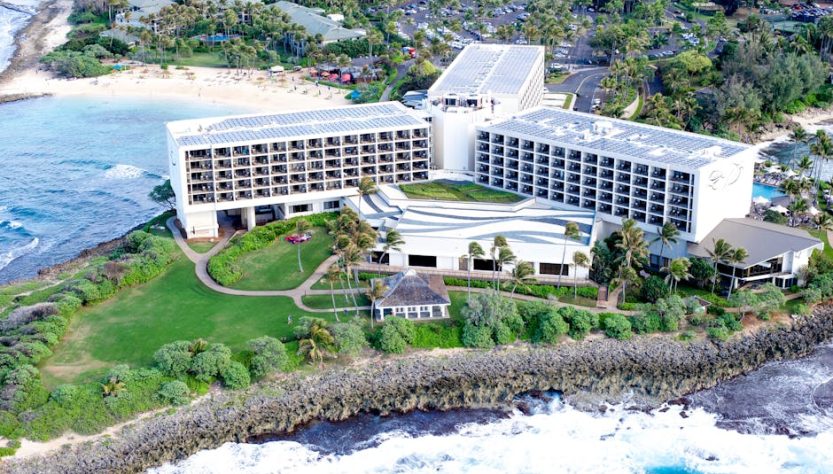
You are sitting at your desk with seventeen browser tabs open, each displaying a different aerial view of a turquoise coastline. One tab shows the rugged, emerald spires of the Na Pali Coast; another displays the sun-drenched golden sands of Poipu. You realize that choosing a hotel in Kauai isn’t just about the thread count of the sheets or the quality of the poolside mai tai. It is a fundamental decision about which version of the island you want to inhabit. Kauai is circular, yet its geography creates two distinct worlds. The North Shore is a lush, rainy, dramatic landscape that feels like the set of a prehistoric film, while the South Shore offers consistent sunshine and the classic resort experience. Making the wrong choice can mean spending three hours a day stuck in the notorious ‘Kapa’a crawl’ traffic as you try to commute between the two.
Comparing Kauai North Shore vs South Shore Accommodations
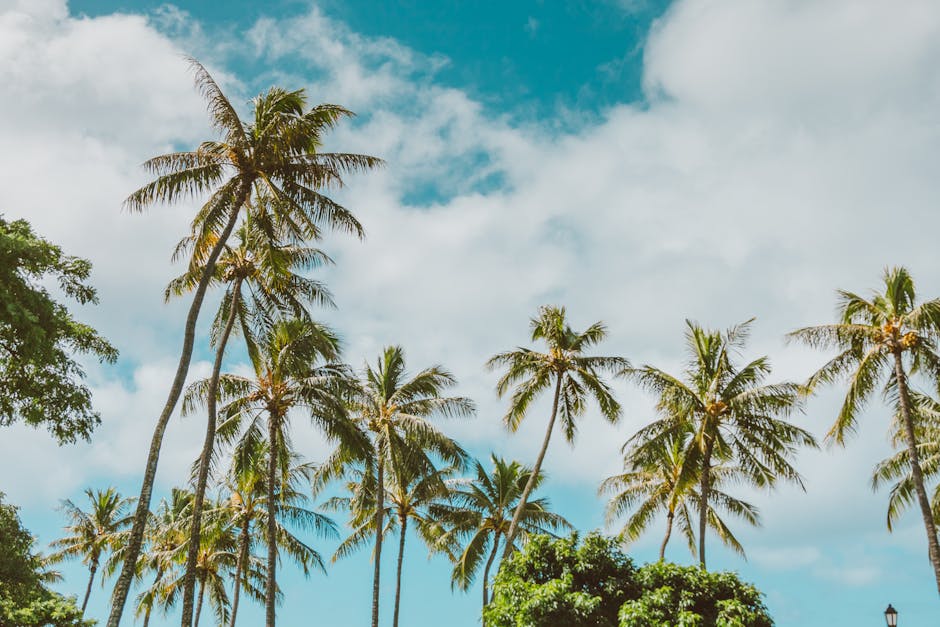
The first variable in your decision matrix must be the seasonal weather patterns. Kauai is the wettest of the Hawaiian Islands, and that rain is what fuels its ‘Garden Isle’ moniker. From November through March, the North Shore receives significantly more precipitation. This isn’t just a light mist; it can be torrential, multi-day downpours that might limit your ability to hike the Kalalau Trail or enjoy Hanalei Bay. If your heart is set on the North Shore during winter, you must accept the trade-off of moody, dramatic skies and potentially canceled boat tours. Conversely, the South Shore stays relatively dry year-round, making it the safer bet for sun-seekers and families who prioritize pool time and predictable beach days.
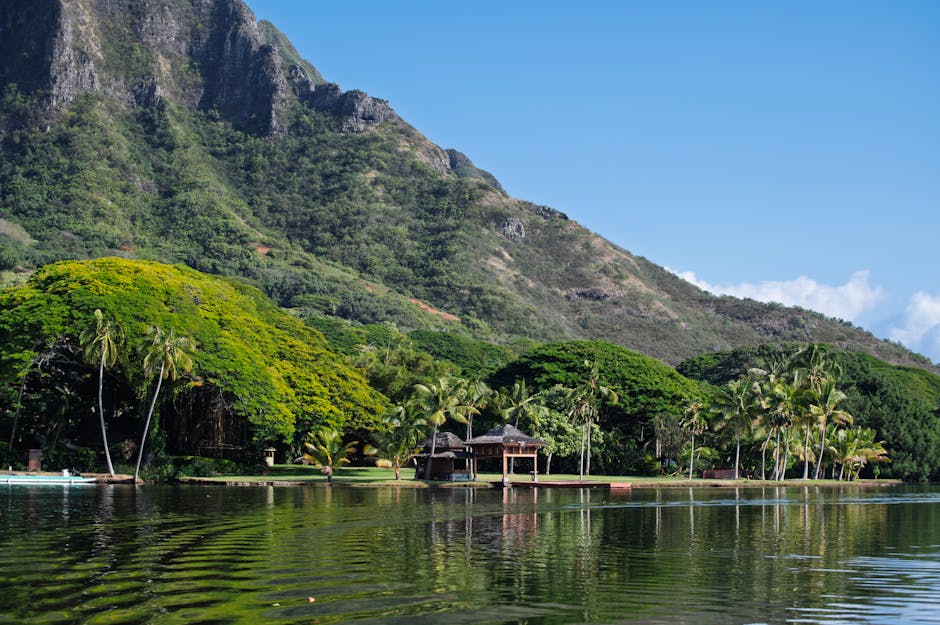
Vibe is the second variable. The North Shore, centered around Princeville and Hanalei, feels more secluded and integrated into the natural landscape. It attracts travelers looking for wellness, hiking, and a slower, more bohemian pace. The South Shore, specifically the Poipu area, is more developed. It features manicured resort grounds, a higher density of high-end shopping, and a wider variety of dining options within walking distance. If you prefer a boutique feel where you can walk to a local surf shop, the North Shore wins. If you want a massive lagoon pool and a world-class spa where everything is handled for you, the South Shore is your destination.
Logistically, the East Side (Kapa’a and Lihue) serves as the island’s hub. While often overlooked in favor of the more ‘glamorous’ ends of the island, staying here offers a strategic advantage. You are equidistant from the North and South, allowing you to pivot your daily plans based on the morning’s weather report. This area is also where you will find the most competitive pricing on mid-range hotels and vacation rentals. However, the trade-off is the traffic. The single main road connecting the island narrows in Kapa’a, creating a bottleneck that can test the patience of even the most relaxed vacationer. Using a reliable mobile data plan is essential here to monitor real-time traffic updates. Many international travelers opt for a pre-paid travel SIM or eSIM through providers found on retail platforms to avoid exorbitant roaming charges while navigating these rural roads.
Comparison of Regional Characteristics
| Region | Best For | Primary Vibe | Weather Risk |
|---|---|---|---|
| North Shore (Princeville) | Hiking, Scenery, Romance | Lush, Dramatic, Secluded | High (Winter Rain) |
| South Shore (Poipu) | Families, Swimming, Sun | Manicured, Sunny, Social | Low |
| East Side (Kapa’a) | Central Access, Budget | Local, Busy, Practical | Moderate |
Top Rated Luxury Resorts in Kauai for 2024
When looking at the high-end market, two properties dominate the conversation, though they offer vastly different philosophies of luxury. On the North Shore, the 1 Hotel Hanalei Bay (formerly the St. Regis) has recently undergone a massive renovation that repositioned it as a wellness-centric sanctuary. This is arguably the most visually stunning hotel location in the world. The rooms are designed with organic materials—reclaimed wood, stone, and natural fibers—to blur the line between the interior and the view of Makana Mountain (often called Bali Hai). A standard room here typically starts around $1,100 to $1,400 per night depending on the season.
Pro: The view of Hanalei Bay is unparalleled and arguably worth the price of admission alone. The focus on sustainability and holistic wellness is deeply integrated, not just a marketing gimmick.
Con: The price point is exclusionary. Additionally, because it is perched on a cliff, getting down to the actual beach requires a bit of a walk or a shuttle, and the beach itself is public and can get crowded.
On the South Shore, the Grand Hyatt Kauai Resort & Spa remains the gold standard for a traditional Hawaiian resort experience. It is a sprawling, 50-acre property that manages to feel intimate through clever landscaping. The highlight here is the multi-level pool system, which includes a saltwater lagoon where you can kayak, several hot tubs, and a lazy river. Prices generally range from $750 to $1,000 per night. For many, this is the quintessential Kauai stay because of the consistent weather and the sheer volume of amenities. If you are booking with a high-end credit card, check your rewards portal; these properties often appear in luxury collections that offer free breakfast or late checkout.
Pro: The pool complex is the best on the island, and the Anara Spa is a world-class facility that utilizes open-air treatment rooms. It is excellent for families with children who need constant activity.
The Grand Hyatt is massive. If you have mobility issues, request a room near the elevators or the main lobby, as some wings require a ten-minute walk just to reach the breakfast buffet.
Con: The beach fronting the Hyatt, Shipwreck Beach, has a very strong shorebreak and is often unsafe for casual swimming. You will likely need to walk or drive to Poipu Beach Park for a calmer ocean experience.
Luxury Property Feature Comparison
| Feature | 1 Hotel Hanalei Bay | Grand Hyatt Kauai |
|---|---|---|
| Starting Price | ~$1,200 | ~$800 |
| Pool Quality | Infinity style, serene | Massive lagoons, lazy river | Vibe | Zen, Wellness, Modern | Classic Hawaii, Family-friendly |
| Beach Access | Hanalei Bay (public access) | Shipwreck Beach (rough water) |
Best Value and Boutique Hotels for Kauai Travelers
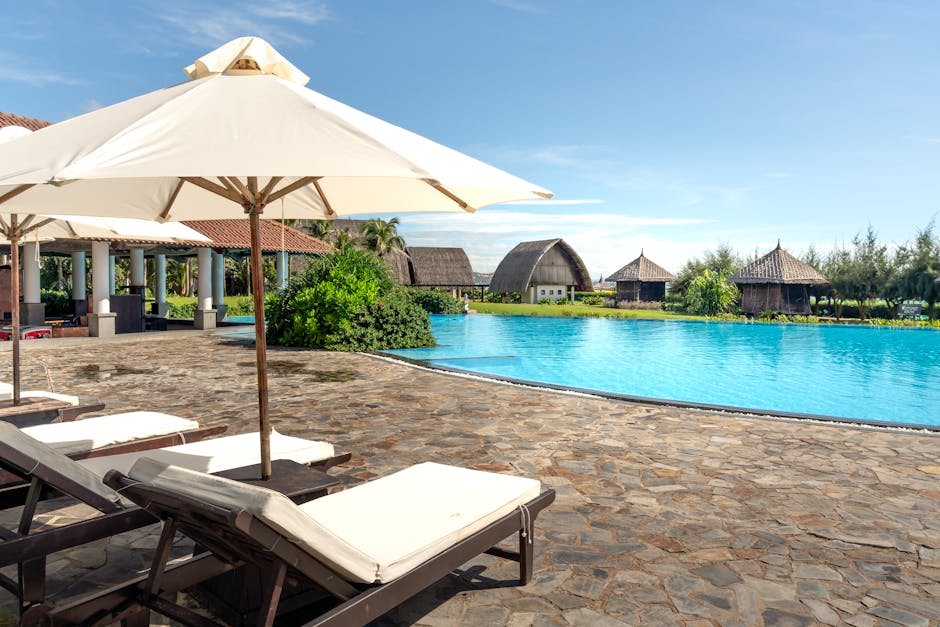
Not everyone wants a 600-room mega-resort. For those who prefer a more curated or budget-conscious experience, Kauai has several standouts. The Ko’a Kea Resort on Poipu Beach is the primary alternative to the Hyatt for those staying south. It is a boutique property with only 121 rooms, offering a much more intimate atmosphere. There is no lazy river here, but you are significantly closer to the water. In fact, Ko’a Kea is one of the few hotels on the island where the rooms are truly just steps from the sand. Expect to pay between $550 and $750 per night.
Pro: The Red Salt restaurant on-site is one of the best dining experiences on the island. The service is personalized, and the lack of crowds makes for a very relaxing stay.
Con: Amenities are limited compared to the larger resorts. If you have kids who want water slides and kids’ clubs, they might find Ko’a Kea a bit too quiet.
For travelers looking for a more affordable entry point without sacrificing style, the Kauai Shores Hotel in Kapa’a is a strong contender. This is a mid-century modern ‘retro’ style hotel that has been refreshed with bright colors and contemporary furniture. It sits directly on the beach, which is a rarity at this price point. Rooms can often be found for $250 to $350 per night. It is located right next to the Coconut Marketplace, giving you easy access to shops and casual eateries. This is a great home base for someone who plans to spend their days exploring the island rather than lounging at the resort.
Pro: Excellent value for money. The on-site restaurant, Lava Lava Beach Club, allows you to dine with your toes in the sand, which is a quintessential Hawaii experience.
Con: The rooms are smaller and the walls can be thin. It lacks the ‘luxury’ feel of the Princeville or Poipu resorts, and the beach in Kapa’a is better for walking than swimming due to the rocky bottom.
Another notable mention is the Sheraton Kauai Resort in Poipu. It often sits in the middle ground—more amenities than a boutique hotel but more affordable than the Hyatt. It is split into two sections: the Ocean Wing and the Garden Wing. The Garden Wing is significantly cheaper, but you have to cross a public road to get to the beach. If you are a Marriott Bonvoy member, this is often the best place to use or earn points on the island. Expect prices around $500 to $650 per night.
Planning Your Kauai Stay: Logistics and Essential Travel Gear
Once you have selected your hotel, the logistical planning begins. Kauai is not an island where you can rely on public transportation or ride-sharing services. Uber and Lyft exist, but they are scarce and expensive, especially if you are trying to get from Lihue to the North Shore. A rental car is mandatory. Because of the island’s popularity, rental car prices can fluctuate wildly. It is wise to book your vehicle at the same time as your hotel. Many travelers use retail comparison sites to bundle their flight and car rental, which can sometimes shave 10-15% off the total cost. Additionally, check if your personal auto insurance covers rentals in Hawaii, or consider purchasing a standalone travel insurance policy. Financial service providers often offer comprehensive trip protection that covers not just the car, but also non-refundable hotel deposits in case of flight delays or weather events.
Regarding gear, Kauai is an island of extremes. You might spend the morning snorkeling in 80-degree water and the afternoon hiking through the Alakai Swamp where it is 60 degrees and misty. High-quality waterproof gear is a necessity. A lightweight, packable rain shell is the most important item in your suitcase. For footwear, do not rely on flip-flops for anything other than the beach. The red dirt of Kauai is famous for staining everything it touches and becoming incredibly slick when wet. A pair of dedicated hiking sandals or trail runners with good lugs is essential. You can find these at most major outdoor retailers, and it is worth investing in a reputable brand like Merrell or Salomon before you arrive.
Connectivity is another factor that requires foresight. While hotels offer Wi-Fi, coverage in the interior of the island—like Waimea Canyon or the trailheads of the North Shore—is spotty at best. If you are relying on your phone for navigation, download offline maps of the entire island. For those working remotely during their stay, the East Side hotels generally have the most reliable high-speed internet. If you are staying at a more remote North Shore rental, consider a mobile hotspot. Telecom providers often have specific data packages for travelers that can be managed via an app, ensuring you don’t hit data caps while uploading high-resolution photos of your helicopter tour.
Finally, consider the environmental impact of your stay. Kauai has strict regulations regarding sunscreens to protect its coral reefs. Only ‘reef-safe’ mineral sunscreens (zinc oxide or titanium dioxide) are permitted. Many hotels provide these for free at the pool, but it is cheaper to buy a bottle at a local retail store or bring your own. Also, the island has moved away from single-use plastics. Most hotels now provide reusable water bottles and have filtration stations throughout the property. This is a small but important part of the ‘Malama’ (to care for) culture that locals appreciate from visitors. By choosing a hotel that aligns with your logistical needs and your personal values, you ensure that your time on the Garden Isle is spent experiencing the landscape rather than managing frustrations.
Essential Gear Checklist for Kauai
- Waterproof Rain Shell: Essential for the North Shore and Waimea Canyon microclimates.
- Reef-Safe Sunscreen: Required by law to protect the delicate marine ecosystem.
- Trail Runners: Better than boots for the humid, muddy conditions of the Kalalau or Waimea trails.
- Portable Power Bank: GPS and camera use will drain your battery quickly during long days of exploring.
- Offline Maps: Cellular service is non-existent in the island’s interior.
- Reusable Water Bottle: Most resorts have high-quality filtration stations to reduce plastic waste.